I like cooking on gas. Is an induction stove better?

I like cooking on gas. I like the simplicity of the knob, the visual feedback of the flame, the fact that turning it up and down does something immediately. When people tell me an induction stove is better, I'm interested, but skeptical — and I wonder what I'd be giving up.

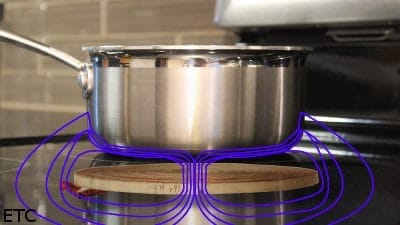
Induction uses an electromagnetic field to heat the pan directly — no flame, no hot burner surface, no combustion in your kitchen. It's a genuinely different technology from the electric coil ranges I learned to hate, and that distinction matters more than almost anything else in this decision.
Here's what I found, and some of it cuts against the usual pitch. Induction won't save you money on your energy bill — the running cost difference is well under $100 a year either direction for most households. The health evidence got dramatically stronger this year, in a way that changes the calculation, particularly if anyone in your house has asthma. The three objections many people raise — losing the knob control, my pans won’t work, and losing wok cooking — are more solvable than they sound.
The thing that probably decides it isn't the stove at all. It's whether you have a 240V outlet behind your range. If you do, switching costs a few hundred dollars more than a replacement gas range. If you don't, you're looking at $1,000 to $4,000 more, and that's a real “value” question only you can decide.
Jump to: TL;DR - What’s the answer? And also: So, did I switch?
What you don’t want to give up
Let's start here, because many articles on this topic don't. Gas has advantages, and if you cook seriously you know most of them.
The big one is control. You turn the knob and the heat changes, immediately, and you can see exactly how much. There's no lag, no guessing, no waiting to find out whether you turned it down enough. Everything else on this list is a convenience; this is the reason people fight for gas.

It's worth separating that into two things, though, because they come apart later. One is responsiveness — how fast the heat actually changes. The other is feedback — how easily you can tell where you are without thinking about it. Gas gives you both at once, and the flame is doing double duty as both the heat source and the display. Hold onto that distinction.
After that, the advantages are practical. Gas is less picky about cookware: copper, aluminum, and thin stainless all work fine. Induction only heats ferromagnetic pans (the kind a magnet sticks to), so anything copper or aluminum is out. The gas stove system is simple. If your range dies tomorrow, another gas range is the cheapest thing you can put in its place — $800 to $2,000 installed. It’s hard to beat that replacement cost-wise.
There's durability. Cast iron grates are effectively indestructible; you can drop a cast iron skillet on a gas burner and nothing happens. Induction cooktops (and some regular electric ones) have glass tops, and glass can crack. Replacing the surface runs $300 to $800, which on a mid-range unit gets close to the cost of buying a new one. That's a failure mode gas doesn't have.
You already know how your stove behaves. That's not nostalgia — every appliance transition costs you a few burnt dinners while you recalibrate.
The big objections people raise about switching is about money and wiring, and those get their own section below. But others are about the cooking itself, and they deserve a straight answer: losing the knob, my pans won’t work, and losing the wok.
But first, two things on this list need unpacking. The first is what you're actually comparing gas to. The second is the power outage advantage of gas, which is true for the burners – but false for the oven.
Gas earned its reputation against electric coil — not against induction
If your mental image of "electric stove" is a coil element or a black glass smooth-top, your skepticism is well earned. Those stoves take forever to heat and just as long to cool — you pull a pot off a boil and the element sits there glowing, still dumping heat out. Anyone who has fought a boil-over or a scorched pan on a coil burner understands why people defend gas.

But that's a comparison against resistance heating, and it doesn't transfer. Coil elements heat a surface, which heats your pan. Induction skips that — the pan itself is the heating element. Turn it down and the power drops right then, the same way a flame does.
Gas earned its reputation fairly against the electric coil, which it beats decisively. Induction is a different technology that happens to share a plug. If you've never cooked on one, there's a decent chance you're holding a well-founded objection to a stove that isn't the one being discussed.
The outage advantage is half true
This is one people bring up, and it's worth checking. If the power goes out, a gas stove keeps cooking — that's the claim; it's half right.
Your burners will probably work. There's no spark without electricity, but the gas still flows, so you can hold a lit match to the burner and turn the knob to low. Manufacturers document this.

Your oven will not. Modern gas ovens don't have a pilot light — they use a glow bar igniter that runs on 120V, and the gas valve only opens as long as it senses the igniter drawing current. No power, no draw, no gas. That's a safety interlock, not an oversight, which means there's no workaround: you can't light it with a match, and you shouldn't try. GE's own support documentation puts it plainly — the surface burners can be lit with a match, the oven cannot.
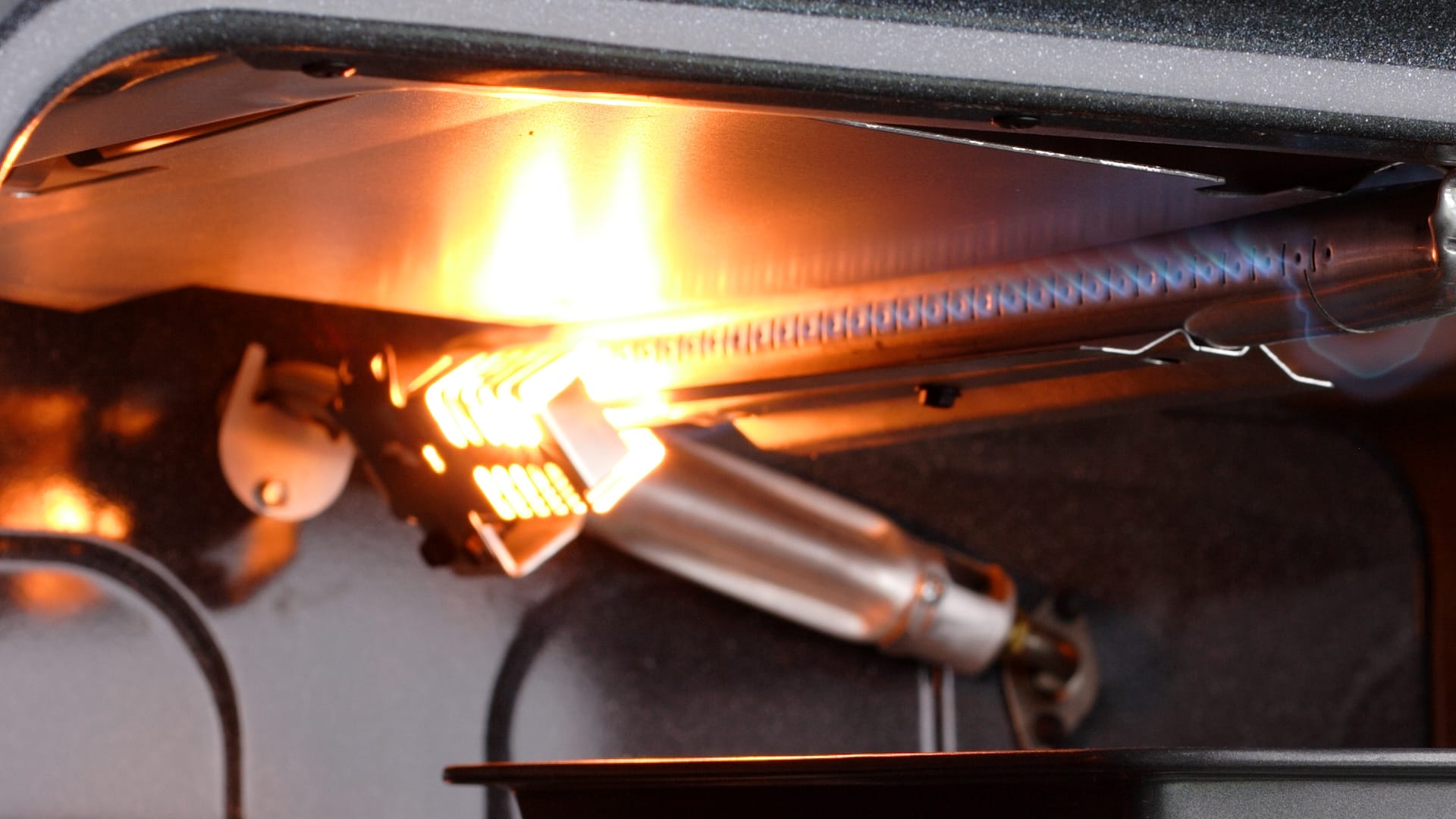
So in an outage you can boil water, fry an egg, heat soup. You can't bake or broil.
This is a narrower advantage than it's usually described, and it matters later, because there's a version of induction that beats gas outright on this.
It's the burners, not the oven
There's something I noticed cooking on both gas and electric: I have no particular attachment to a gas oven. In fact, I hate them. Nobody else is attached to them either, as far as I can tell. When people defend gas, they're defending the cooktop — the flame, the knob, the instant response.
The appliance industry figured this out a long time ago. There's an entire product category built around this preference: the dual-fuel range, which pairs gas burners with an electric oven. Pro-style ranges come in gas or dual-fuel, and the reason dual-fuel exists is that plenty of serious cooks want the burners without wanting the oven that comes attached to them. Now, nobody makes an electric cooktop with a gas oven. There's no market for it. The asymmetry tells you everything: the case for gas runs one direction, to the cooktop.
And as we covered, the gas oven doesn't even deliver the one thing people assume gas gives you. It won't light without power.
So - is induction better at the one thing gas is genuinely good at? That's a harder question and a more interesting one, and it's what the rest of this comes down to.
You don't have to lose the knob
Remember the split from earlier: responsiveness and feedback. On responsiveness, induction wins — pretty consistently. It puts more power into the pan going up, and coming down it doesn't have a hot cast-iron grate radiating into your pan the way gas does. A 2019 study of residential cooktops found induction had the best temperature response of the three technologies, with gas in the middle. The practical difference is smaller than that sounds, because both are limited by the thermal mass of the pan itself — but if you've been assuming gas has an edge here, it doesn't.
What you lose is feedback. The flame was doing two jobs, only one of them was heating your food.
But here's the thing: that's a design choice, not physics. Nothing about induction requires a touch panel. Manufacturers went that direction because glass slabs photograph well and enable smart features, not because cooks asked for them.
And the implementation is frequently bad. Water on the surface shuts a burner off mid-cook and you have to dry the glass before it'll restart. Capacitive panels need bare skin contact, so wet or gloved hands do nothing — Samsung's own support documentation says as much. Adjusting heat means finding the right spot and tapping repeatedly instead of grabbing something and turning it. One cook on Kitchen Knife Forums put it well: the problem isn't that they're touch controls, it's that the implementation is terrible across the significant majority of what's available. Even Consumer Reports' editor, writing about his own switch, noted that the only visual feedback on his range was a red LED strip — and that the control markings didn't match his expectations enough that he and his wife burned their first couple of dinners.
The fix is boring: buy one with knobs.
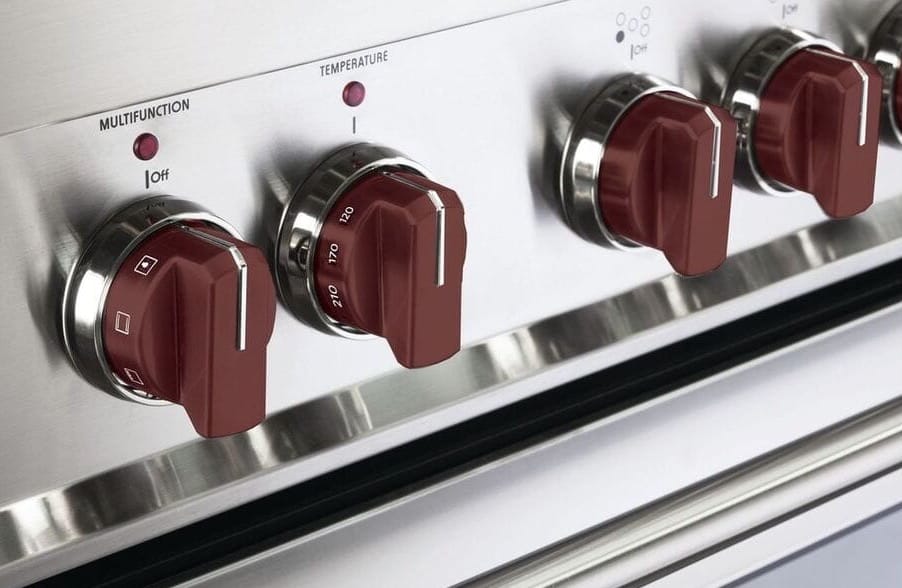
They exist, they're just not the default, and you have to filter for them deliberately. Coming from gas, treat knobs as a requirement rather than a nice-to-have, and check for them before you fall for a model on looks.1
My pans won’t work
Induction stoves use magnetics to heat a pan. What this means is that your pans must be ‘ferromagnetic’ - meaning, they contain steel or iron - aluminum and copper pans won’t work. This seemed like a show-stopper to me... would I need to throw away the All-Clad set we got as a wedding gift? What about that super-lightweight non-stick aluminum fry pan, would that need to go, too?
But as it turned out, almost all of our pans worked fine with a loaner induction plate we borrowed:
- 2 Lodge cast-iron fry pans - No problem. These are our workhorses, they actually work much better than any non-stick pans I've used, and don’t have the downside health, high-heat limitations, and durability issues of non-stick pans. They’re reasonably priced.

- A vintage midcentury modern Dansk pot inherited from my mom - No problem. This is our work-horse for boiling water and making pasta.
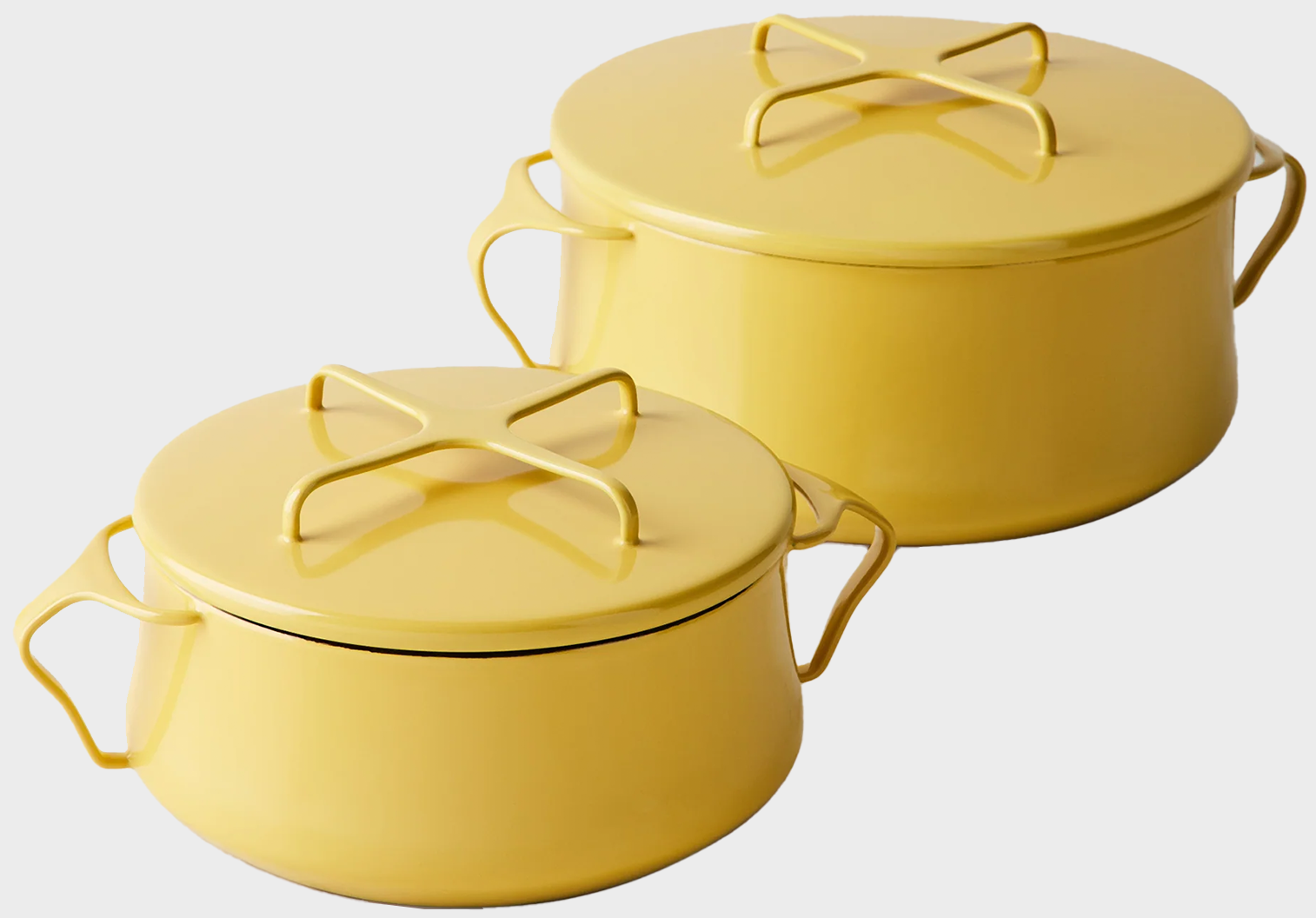
- The All-Clad set - A surprise to me, also no problem! The model we have has a middle layer of aluminum bonded to steel on the inside and outside. This was enough.
- A 7-inch non-stick aluminum fry pan - A no-go. However, some experts suggest you should discard old (pre-2015) non-stick pans anyway, particularly if the non-stick coating is scratched.
There are lots of available pans that will work with induction, and yours may already work, too. You can tell by holding a small magnet up to your pan - if it sticks, it’ll work with induction. Trying your pans out with a loaner induction plate will be even more definitive.
Losing the wok
Kenji López-Alt wrote The Wok, and he's blunt about what home cooks are working with: you can't replicate a 200,000-BTU restaurant wok range in a standard kitchen, and regular home gas burners don't put out enough heat to come close. Restaurant wok burners run 95,000 to 150,000 BTU. A high-end home range tops out near 30,000. Most are closer to 12,000.

So your gas stove wasn't producing real wok hei either.
It gets worse for gas. Western burners are built to spread flame across a pan bottom — the opposite of what a wok wants, which is heat concentrated in the center. López-Alt notes a small 12,000 BTU butane burner often beats a wide gas burner for exactly this reason.
The bigger practical problem isn't flame anyway — it's geometry. A round-bottom wok touches a flat induction surface across maybe 10% of its base, so you lose most of the power. Get a flat-bottom carbon steel wok and use a 3,000W+ burner zone. López-Alt recommends flat-bottom on gas too, for what it's worth.
What do you gain?
We’ve reviewed the case for gas, narrowed down to what it really is. The oven was never the point. The induction controls problem is a design failure, not a physics one, and it's avoidable if you shop for it. The wok argument evaporates once you look at what a home burner actually delivers. What's left is a genuinely good cooktop that you already know how to use.
Is what else you get in return worth it? Here's what's on that side of the equation — including one thing that isn't, which is where many articles on this topic go wrong.
The cooking advantages
- Speed. Heidi Swanson of 101 Cookbooks line after switching sums it up — she thinks of all the weeks of her life wasted waiting for water to boil, and calls the speed alone a game changer. Benchmarks back it: induction reaches a rolling boil roughly 30–40% faster than even high-BTU gas, because 85–90% of the energy reaches the pan versus 40–50% on gas. This video of the Impulse induction cooktop is astounding:
Fast boil on an induction stove.
- Low simmer. Gas is the one that struggles here. Swanson's pet peeve is that gas burners often cut out, or don't allow for a true low simmer — induction holds nuanced control at the low end. The 2019 Frontier Energy cooktop study found induction had the best temperature response of the three technologies.
- Cleanup. Nothing bakes onto a surface that isn't hot. Spills wipe off, and there are no grates to pull and scrub.
- A cooler kitchen. Gas burners dump over half of their energy into the room rather than your food. (And their companion gas ovens dump 2-3 times the heat into your kitchen than their electric equivalents.)
The health evidence changed this year
Burning things indoors produces gases you'd rather not breathe. That isn't controversial — it's combustion. Gas furnaces and water heaters vent this outside. A gas stove puts nitrogen dioxide, carbon monoxide, and other combustion byproducts into your kitchen every time you use it, whereas with induction nothing is burning.
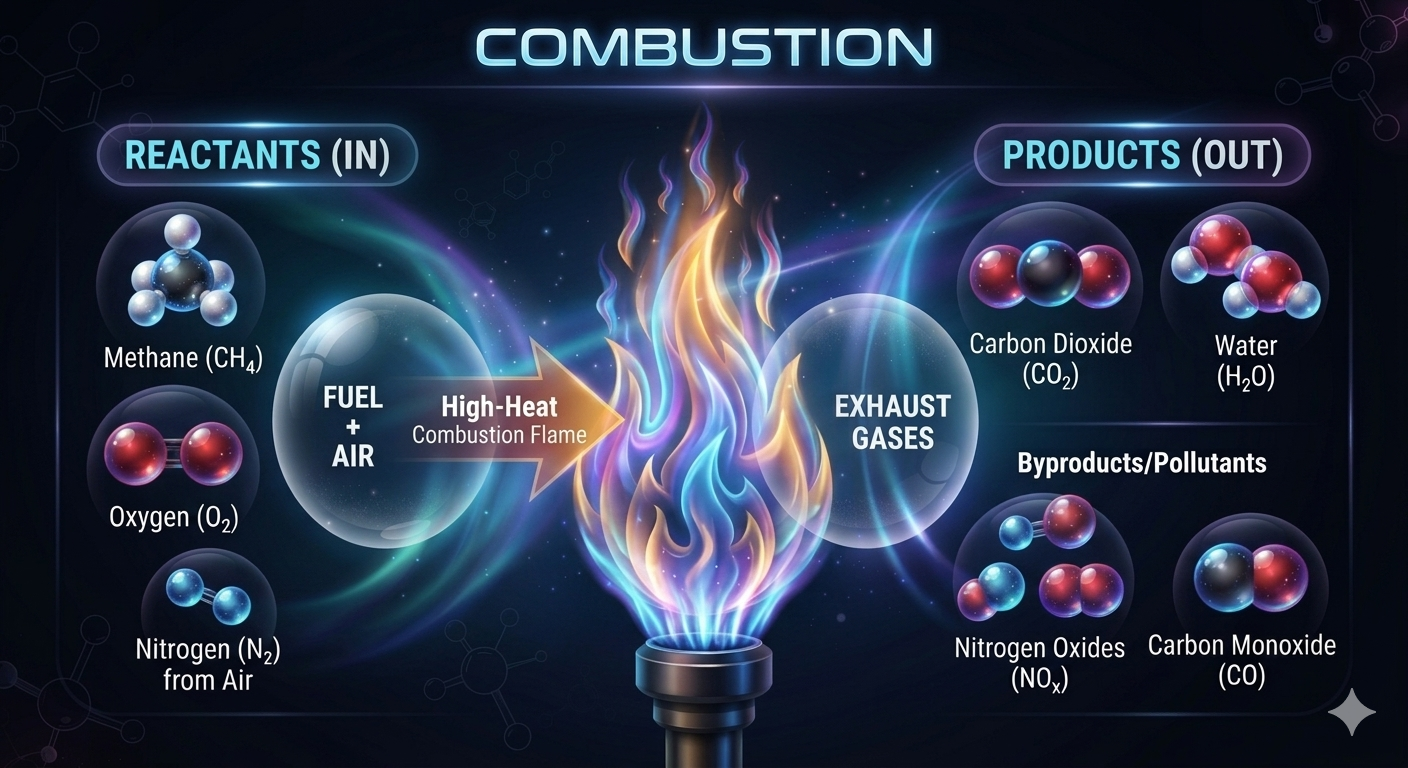
The part people underestimate is ventilation. A lot of range hoods don't actually vent anywhere — recirculating hoods pull air through a filter and blow it back into the room, which does nothing for combustion gases. Plenty of kitchens have no hood at all. And even properly vented hoods only help if you turn them on, which many people don't. Stanford researchers found nitrogen dioxide from gas stoves showing up in bedrooms well away from the kitchen and staying elevated for hours after the burners were off.

Until recently, the evidence linking this to health outcomes was observational — you could show correlation between gas stoves and asthma, but not more. That changed this year. A study published in July 2026 in the Journal of Allergy and Clinical Immunology: In Practice took 85 people with poorly controlled asthma and replaced their gas stoves with induction - just like you might do. Indoor nitrogen dioxide dropped about 70%. Their asthma went from moderate to mild on average. Emergency room visits and hospitalizations fell roughly 70%, and missed work and school days dropped about 80%.
...80% of our study participants experienced meaningful improvements [by replacing gas stoves with induction] - Dr. Ashwini Sehgal
The researchers noted the improvement was comparable to what you'd see from taking an asthma medication.
What makes it different: the study included an intervention, not just a survey. They changed one thing - the stove - and measured what happened.
Who this matters to: if someone in your house has asthma or another respiratory condition, this is the strongest argument to make the change. Even if nobody does and you have a hood that vents outside and you use it, it's still a factor to consider.
What's not on this list — running cost
Gas, electric coil, and induction stoves differ only slightly in running costs. Nationally, per Consumer Reports, gas stoves average about $69-116 per year, induction around $83-112, and standard electric coil roughly $89-136. These numbers flip in some regions depending on utility costs. My own daily use of a gas cooktop (no oven) is 1-2 therms monthly, roughly $5-10/mo. For most households, the annual difference will be small in either direction. Although energy cost differences over years can add up, this alone is not a compelling reason to switch — or to stick with - your current stove.
A word about greenhouse gas
Does swapping out of a gas stove reduce your carbon footprint? Yes, but if this matters to you there are other things much more impactful you can do first:
- You’d have to replace 31 gas stoves to equal replacing 1 gas car with an EV
- Replacing your furnace with a heat pump equals replacing 16 gas stoves
- Replacing your gas water heater with a heat pump water heater equals replacing 7 gas stoves
From just a greenhouse gas impact-per-dollar-spent, that hot water heater replacement costs less and makes a bigger dent than your stove does.
Try it before you decide
When I was looking at stoves, I borrowed, for free, a single-burner induction plate from PG&E, my local utility. Even though it plugged into a standard outlet, it could boil water faster than the highest power burner on my gas stove!
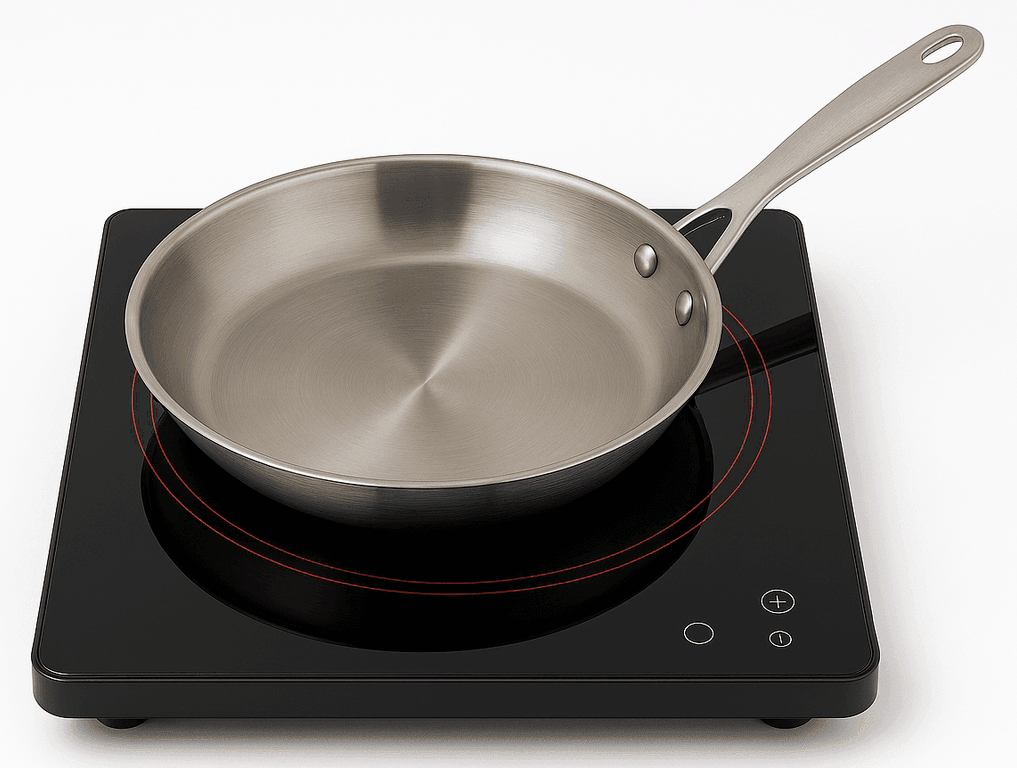
The controls were clunky, as pointed out above - no knobs - but it gave me a good sense of what the performance of induction is like, and it was surprisingly good for a portable plug-in device.
A free try-before-you-buy is well worth it, as long as you keep in mind the limitations of a portable “hob” device - limited power, likely simple and clunky controls.
Places to look into for free trials - your electric utility (SCE also has them), your local library (ex: San Mateo). Or you can buy one on Amazon/Walmart/Home Depot for as low as $50.
Now the question that decides it
Switching from gas to induction almost always costs more than replacing gas with gas. A comparable unit itself is pricier, and if you don’t have a 240V outlet, the electrical work adds to the total. Here’s the rough cost comparison:
| Upgrade Type | Estimated Cost |
|---|---|
| Gas → Gas | $600–$2,200+ |
| Induction (existing 240V) | $1,000–$2,800+ |
| Induction (needs new circuit) | $2,400–$3,400+ |
| Induction (needs panel upgrade) | $3,500–$5,600+ |
| 120V Battery Induction | $4,000–$6,000+ |
If you have 240V already - or you’re remodeling
In this case, the premium is small. The induction unit might cost a few hundred more, but the electrical work is either zero or folded into your remodel. Essentially, the benefits of induction — faster boiling, easier cleanup, and better indoor air — come almost free. While gas-range homes usually lack 240V, if your house previously had an electric range, or was pre-wired for it, you might be ready to go.
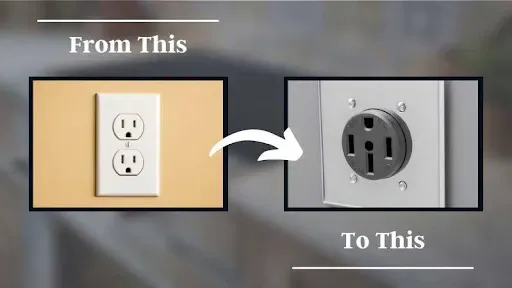
If you don’t have 240V: Is it worth $2,000–$5,000?
This is where it becomes a heavier lift. If your panel is maxed out, upgrading it to support a new 240V circuit can push the project well over $4,000. But if you're in this boat, there are now 120V battery-backed ranges designed for exactly this situation:
- Copper “Charlie” — 30" range, 5 kWh battery, supports 3–6 meals on battery backup during outages, load-shifts for off-peak use.
- Impulse — 30"/36" cooktop, 3 kWh battery, ~30-second boil by using the battery to “boost” power.
- Electra — 30" range, 5 kWh battery, with physical knobs; includes install + haul-away.
- Summit — no battery, less expensive - it limits simultaneous burner count and oven use to fit within limits of a 120v outlet.
These work well: a CalMTA field study showed battery ranges supported 99.98% of 6,175 cooking events.
While stoves with batteries are expensive, you have to look at the right baseline. A $6,000 battery induction range seems steep against a $1,200 gas model, but compared to an induction range plus electrical and panel work (~$5,000), it’s competitive, and avoids the headaches of permits, inspections, rewiring, and wall patching.
Lastly, battery-induction ranges have benefits none of the others do - you can cook and bake during a power outage.
| Appliance Type | Cooktop in Outage | Oven in Outage |
|---|---|---|
| Gas | Yes | No |
| Standard Induction | No | No |
| Battery Induction | Yes | Yes |
Offsetting the cost - Rebates
If those panel upgrade or battery range numbers are making you wince, check your local incentives. While the federal HEAR Program’s significant point-of-sale rebates were discontinued on June 30, 2026 for fuel swapping, local utilities or municipalities may have rebates. See The Switch is On to search in your area.
Making the judgment call
So, is it worth the $500 to $4,000 premium to make the switch from gas to induction? That's a judgment call only you can make, but here is how I weigh the factors:
Health: If anyone in the house has asthma or respiratory issues, the new evidence pointing to gas-related health impacts carries a lot of weight.
Cooking Habits & Performance: How often do you cook, and do you reliably use a vented hood? Do you already use cast iron or steel-clad cookware? Do you boil or simmer frequently?
Home Plans: How long do you expect to stay in your home? Do you plan to do a kitchen remodel? Is your current stove near end-of-life? Either choice involves spending.
Other Electrification: If you plan to install an EV charger, AC, heat pump, heat pump water heater, or other large electric appliances, the panel upgrade becomes a shared cost rather than a dedicated one.
The Short Version
After digging into the realities of both sides, here is my takeaway: induction outperforms gas in almost every measurable way, and the health evidence has strengthened significantly enough that it can't be ignored.
The main objections you usually hear have very solvable answers:
- Controls: Knobs are available — just filter for them when shopping.
- Limited pans: Most pans will work, try them. If needed, you can acquire quality ferromagnetic pans for reasonable cost.
- Wok Cooking: Flat-bottom steel woks work perfectly fine.
- Outages: Your gas oven won’t work without power anyway, and battery-induction beats gas completely.
The real decider is your electrical situation. If you already have a 240V outlet or you're remodeling, the benefits are practically free — go for induction. If you don't, weigh the upgrade cost or look into 120V battery models. Saying “no” based on the electrical work is a legitimate outcome.
Whenever possible, borrow a loaner induction cooker to see if it meets your cooking needs before making the decision. Once you experience the speed and refined heat, you might find it hard to go back.
Some footnotes:
I still use a gas cooktop. (But we ditched gas oven for a separate electric one.) When we remodeled a few years back, we were told our 100-amp electric service couldn’t support the power requirements of an induction stove, and the battery-induction ones hadn’t been invented. So we installed an outdoor-venting hood, and ran 240v wiring anyway for future-proofing and someday we’ll make the switch.
- Plenty of touch-only ranges cook extremely well. Samsung's Bespoke is knob-free and tops several 2026 roundups on performance. This isn't about which stove cooks better — it's about which one won't annoy you every day for the first six months while you're still deciding whether you made a mistake.